
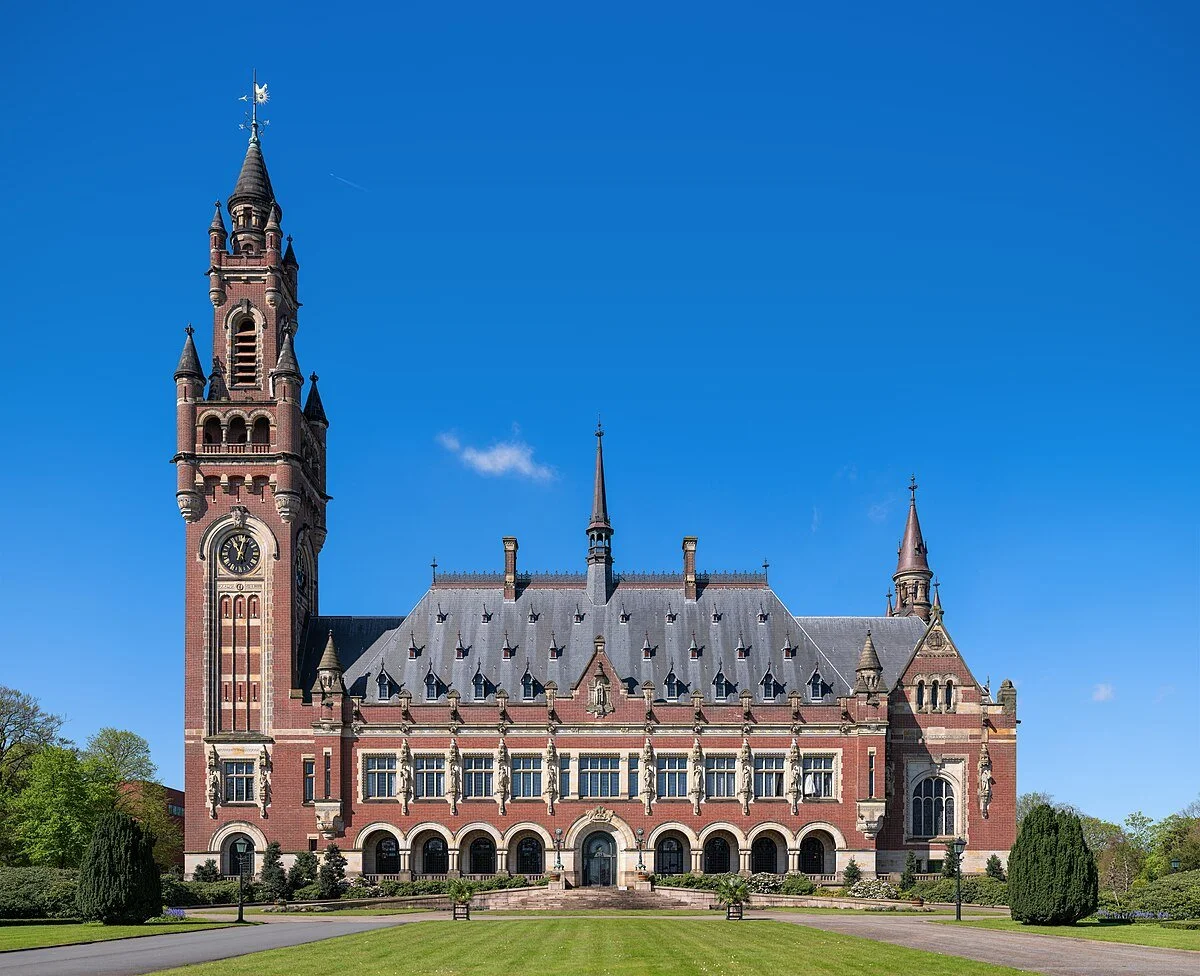
Self-Defence Against Non-State Actors After 9/11
The right of states to use force in self-defence remains a contested issue in contemporary international law. While Article 51 of the UN Charter allows self-defence as an exception to the prohibition of force, the rise of transnational armed groups has challenged its traditional interpretation.

The Weight of Words in the Qualification of Armed Conflicts in International Law: Comparative Reflections on Gaza and the DRC
What distinguishes the conflict in eastern DRC from the Israel–Hamas war is its legal classification. While Israel–Hamas may be interpreted as an international conflict, the DRC–M23 situation remains non-international under the ICJ’s standards, shaping questions of sovereignty, self-defence, and international responsibility.

US Sanctions on the ICC: Legality and Implications
In 2020, the Trump administration sanctioned senior officials of the International Criminal Court, measures lifted under Biden but reimposed in 2025 after arrest warrants against Israeli leaders. These sanctions, directed at an international court rather than a state, raise serious questions about legal basis, judicial independence, and the future of international justice.
“A la moindre escarmouche…” The Use of Force in Modern International Law: The Case of the DRC-Rwanda
Tensions in the Democratic Republic of the Congo have sharply escalated as the Alliance Fleuve Congo (AFC), allied with the M23 rebel group, expanded its offensives in eastern DRC. By early 2025, the coalition had captured key cities including Goma and Bukavu.
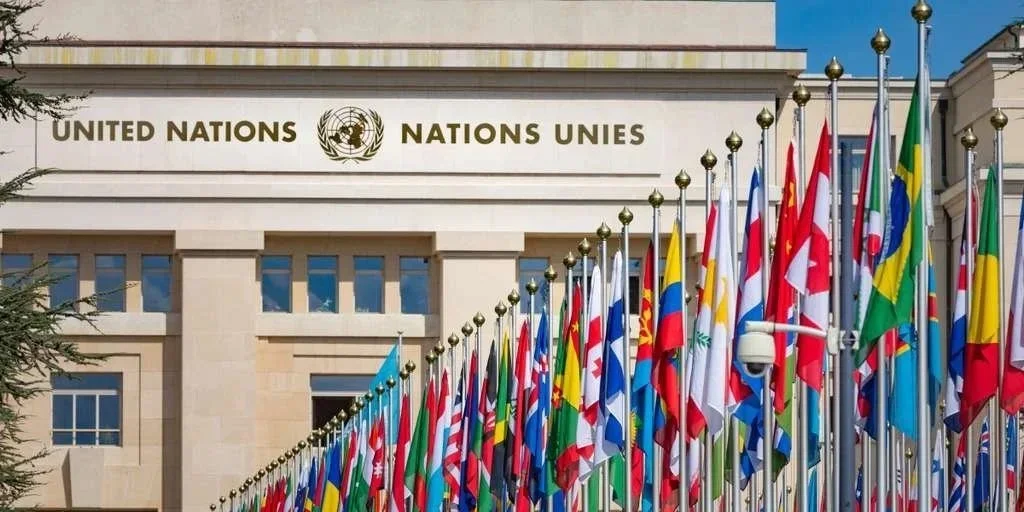
A Historic Turning Point in the Congo Crisis: The UN Security Council’s Condemnation of Rwanda
It all begins with an idea.The ongoing crisis in the Democratic Republic of the Congo (DRC) reached a critical juncture when the United Nations Security Council (UNSC) unanimously adopted Resolution 2773 on February 21, 2025—a landmark decision that directly condemned Rwanda’s support for the M23 rebel group.